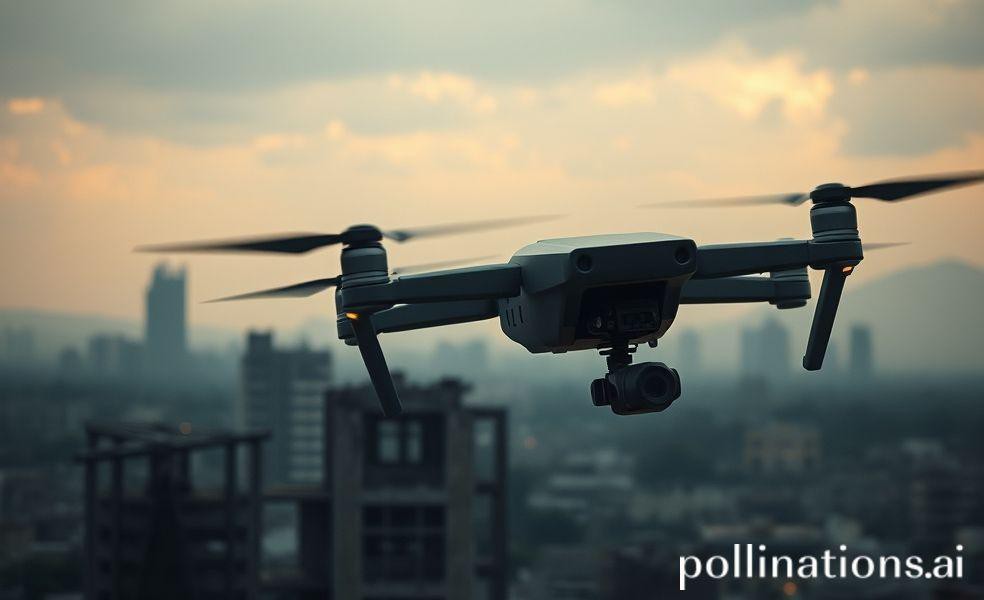

Will the future of warfare be shaped more by software startups than traditional defense contractors? A recent $130 million investment in Auterion, a startup specializing in drone software, suggests a significant shift in how military technology is developed and deployed.
The Rise of Civilian-Military Fusion
Auterion’s software powers military drones, enabling advanced operations in critical regions like Ukraine and Taiwan. This investment underscores the growing role of private capital in defense innovation, blurring the lines between civilian and military technologies.
Strategic Expansion into Conflict Zones
Auterion’s expansion into Ukraine and Taiwan isn’t just about market reach; it’s a strategic move to support allies in geopolitical hotspots. This signals a new era where private companies play a direct role in international security dynamics.
Ethical and Security Implications
The involvement of private firms in military technology raises ethical concerns. Who controls the use of such technologies? How do we ensure accountability in conflict zones?
‘The integration of private capital in defense is a double-edged sword. While it accelerates innovation, it also introduces risks of unregulated proliferation.’
Case Study: Drones in Ukraine
Ukraine’s use of advanced drones has been pivotal in their defense strategy. Auterion’s software could further enhance these capabilities, setting a precedent for future conflicts.
Conclusion and Call to Action
As private investment reshapes defense, we must consider the broader implications. What does this mean for global security? How can we balance innovation with regulation?
What are your thoughts on private investment in military technology? Share your insights in the comments below.